Every year, new "best lead generation tools" appear, promising to double your pipeline overnight. In 2026, the problem is not a lack of tools. It is knowing which tools actually help you generate qualified leads and which ones just add more noise, more subscriptions, and more complexity.
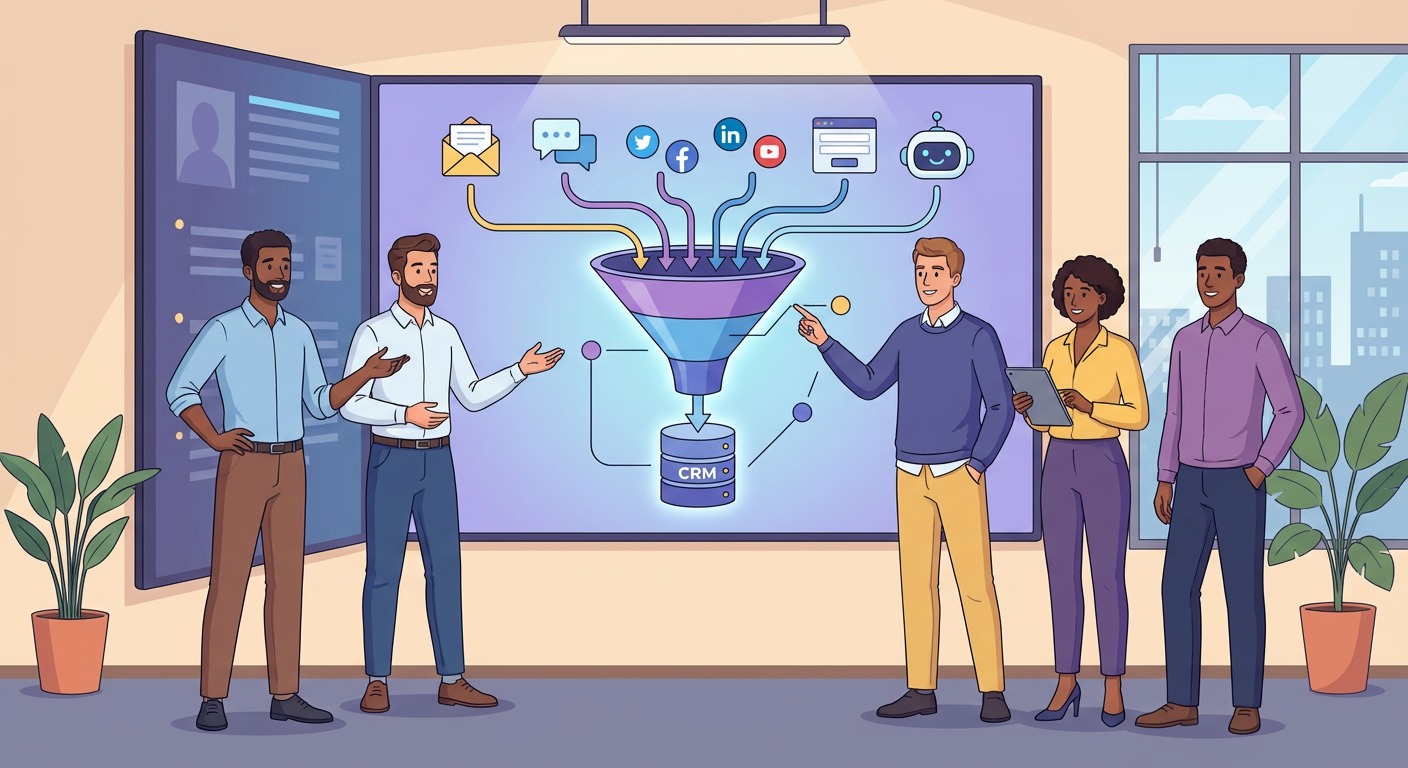
If you run B2B sales, an agency, or a solo consulting practice, your stack does not need to be huge. It needs to be deliberate. In this article, we will break down lead generation tools into clear categories, show how they fit into a realistic lead generation process, and help you decide what you really need right now.
TLDR / Quick facts
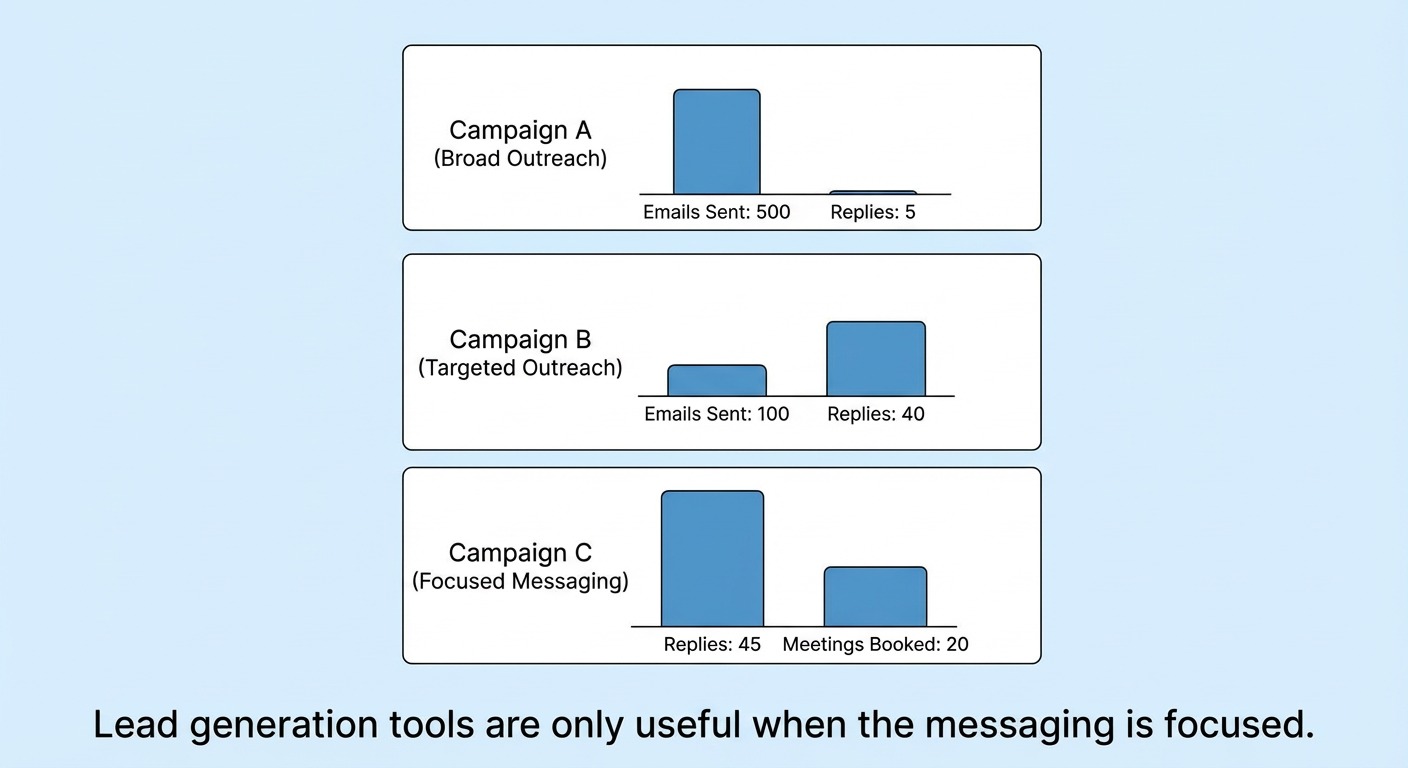
- Lead generation tools only work if you plug them into a clear lead generation process. Tools amplify good process and make bad process louder.
- The best lead generation tools in 2026 combine good data, automation, and context, not just big lists of email addresses.
- For B2B sales, the core stack is usually: sales intelligence data, outreach tools, a CRM, and a marketing automation platform or at least email sequences.
- AI is very good at research, pattern spotting, and first draft messaging. It is still bad at building your go to market strategy for you.
- Your closing system matters as much as your lead generation software. If you cannot turn conversations into deals, more tools will not fix it.
The most powerful lead generation tool in 2026 is a clear offer, a focused ICP, and a simple system. Software just makes that system easier to run.
1. What Are Lead Generation Tools And What Do They Actually Do
1.1 Quick definition
Lead generation tools are software products that help you identify, attract, and qualify potential customers. They support things like:
- Finding prospects and their contact data
- Tracking website visitors and intent
- Automating outreach and follow up
- Capturing leads through forms, chat, and content
- Scoring and routing leads for sales or marketing
In B2B sales, they sit between your market and your CRM. Their job is to keep your pipeline full of the right conversations.
1.2 Tools vs process
You can think of the lead generation process as four simple steps:
- Target - decide who you want as customers
- Attract - get their attention
- Capture - collect their details
- Qualify - decide who is worth talking to
Lead generation tools plug into one or more of these steps. No tool covers everything perfectly. That is why people talk about stacks, not single apps.
2. Categories Of Lead Generation Tools In 2026
Instead of chasing "top lead generation tools" lists, it is better to understand the main categories and pick one or two from each based on your size and goals.
2.1 Sales intelligence and data tools
These B2B lead generation tools help you:
- Identify target accounts and companies
- See basic firmographics like size, industry, location
- Find decision makers and roles
- Enrich records with contact details
Good data is the foundation. Without it, your outreach and marketing automation will always feel like guessing.
When you evaluate sales intelligence tools, pay attention to:
- Coverage in your target regions and industries
- Data accuracy and freshness
- Integration with your CRM and other tools
- Pricing model that matches your scale
2.2 Outreach and email tools
These tools for lead generation focus on outbound:
- Email sequence and campaign builders
- Multi channel outreach (email, LinkedIn, sometimes calls)
- A B testing for subject lines and messages
- Basic lead scoring based on replies and engagement
They are especially important for B2B sales teams that rely on outbound or account based marketing.
Look for features like:
- Deliverability support and warm up
- Easy campaign cloning and personalisation
- Clear reporting on reply rates and meeting rates
2.3 Marketing automation platforms
A marketing automation platform supports the entire lead generation process, not just outbound. It usually includes:
- Email marketing and nurture sequences
- Landing page and form builders
- Lead scoring based on behaviour
- Segmentation and tagging
- Basic analytics and attribution
In 2026, automation platforms increasingly use AI to:
- Suggest segments and triggers
- Optimise send times and touch frequency
- Generate first draft copy for nurture flows
For most small teams, you do not need the most complex system. You need one that can:
- Capture leads from your site and campaigns
- Nurture them with relevant content
- Hand off qualified leads to sales with enough context
2.4 On site conversion and capture tools
The best lead generation software is wasted if your website acts like a brochure instead of a funnel. On site tools include:
- Form builders and pop ups
- Exit intent and "content upgrade" offers
- Live chat or chatbots for basic qualification
- Scheduling widgets that connect to calendars
You can start simple:
- One strong lead magnet
- Clear forms on high intent pages
- Logic that routes hot leads straight to sales
2.5 CRM and pipeline tools
CRMs are not always listed as lead generation tools, but they are essential for:
- Storing lead and customer data
- Tracking deal stages and next steps
- Measuring funnel performance
- Keeping sales and marketing on the same page
A simple CRM with good reporting can do more for your pipeline than another "shiny" AI tool.
When evaluating CRM and pipeline tools, consider:
- How fast your team can adopt it
- Whether it supports your sales process out of the box
- Integrations with your other lead gen tools
3. How To Choose The Best Lead Generation Tools For Your Situation
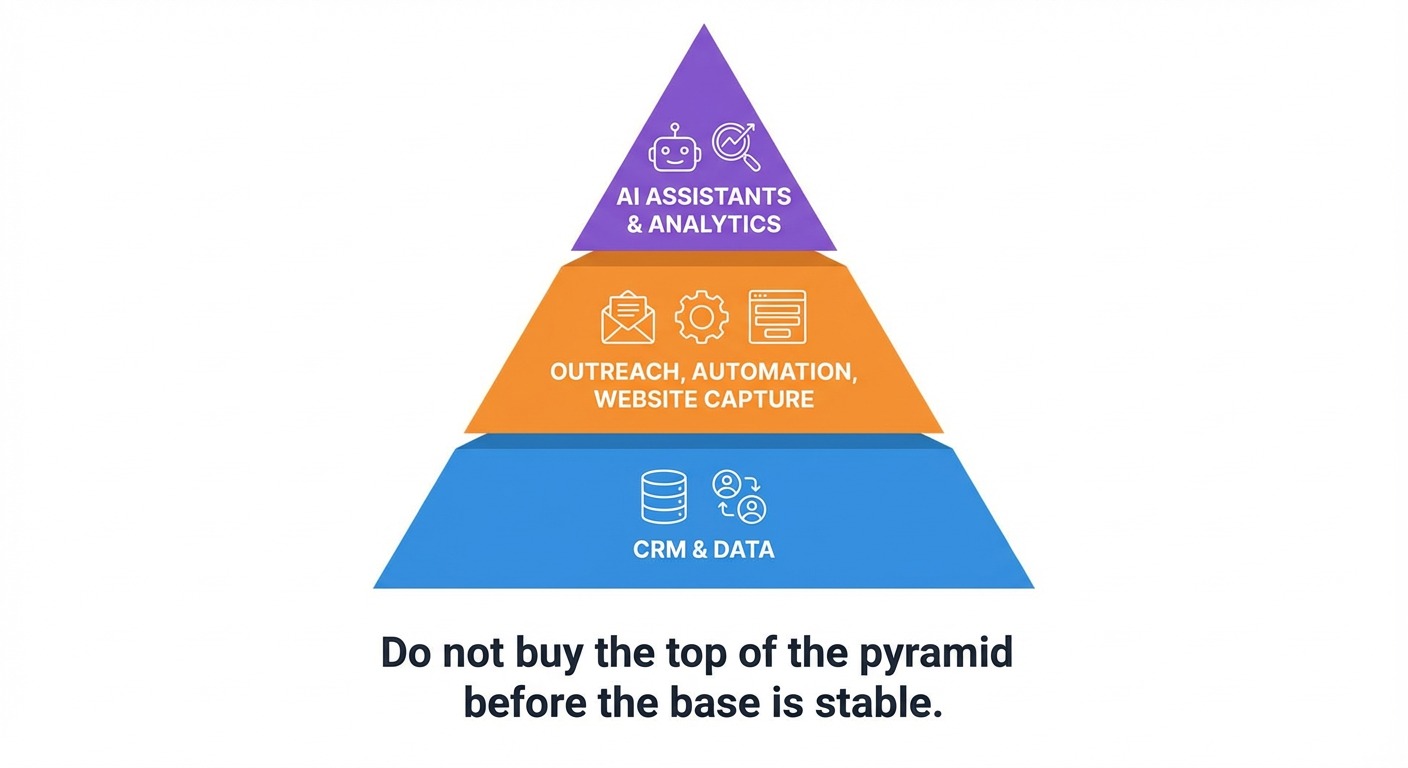
With so many options, your main risk is overbuying. The best lead generation tools are the ones that match your stage and strategy.
3.1 For solo freelancers and consultants
You probably need:
- A lightweight CRM or even a structured spreadsheet
- One simple outreach tool if you do outbound
- A sign up or contact mechanism on your website
- Calendar scheduling for frictionless booking
You do not need heavy marketing automation yet. Focus on:
- Clear positioning and a niche
- Tight lead lists and personalised outreach
- Consistent follow up
3.2 For small B2B teams and agencies
You likely need:
- A reliable sales intelligence tool
- Multi channel outreach software
- A central CRM with pipeline views
- Light marketing automation for newsletters and nurtures
Your biggest lever is aligning tools with roles:
- One person manages data and lists
- One or more handle outreach
- Someone owns the lead generation process and metrics
This is also where it becomes crucial to improve your closing skills and frameworks. It is one thing to book calls. It is another to turn those calls into revenue. If you want to sharpen that side of the funnel, check out our article on closing frameworks that win on Upwork here
https://gigradar.io/blog/closing-frameworks-that-win-on-upwork
3.3 For larger B2B sales organisations
You probably already have a CRM and marketing automation platform. Your questions are more like:
- Are we using our current lead generation tools fully
- Where is friction between marketing and sales
- Do we have clear SLAs for what counts as a qualified lead
At this level, new tools will help only if they:
- Integrate cleanly with existing systems
- Reduce manual work for reps
- Improve data quality and reporting
4. How Lead Generation Tools Use AI In 2026
AI is everywhere in lead generation software, but it is useful in certain places and risky in others.
4.1 Where AI shines
AI is strongest at:
- Summarising company and contact research into usable snippets
- Suggesting angles and personalisation for outreach
- Scoring leads based on complex behavioural data
- Generating first drafts of emails and nurture content
Used correctly, it saves time and helps you scale personalised touch without copy pasting all day.
4.2 Where you should be careful
AI is weak at:
- Defining your ICP and positioning
- Designing your offer and pricing
- Handling nuanced objections in high stakes deals
If you let AI fully control your lead generation strategies, you risk generic messaging and misaligned targeting. The best setup in 2026 is still: human strategy, AI assistance.
5. Making Your Lead Generation Tools Actually Deliver
5.1 Start with a simple playbook
Before adding more software, write down:
- Who you are targeting
- What problem you solve for them
- Which channels you will use to reach them
- What "qualified lead" means for you
- What happens after someone raises their hand
Only then decide which top lead generation tools fit each step.
5.2 Measure a few key numbers
Instead of watching every dashboard, focus on:
- Leads generated per week or month
- Percentage of leads that are qualified
- Meetings booked per sequence or campaign
- Deals closed and revenue from each channel
If a tool does not make at least one of these numbers better after a fair test, it is probably not worth keeping.
5.3 Align tools with closing and delivery
Lead generation tools fill your calendar. Closing frameworks and delivery quality decide if that leads to revenue.
That is why it helps to:
- Train your team on call structure and objection handling
- Document common questions and best responses
- Connect your tools to how you actually run sales calls and present offers
Your lead generation stack is strongest when it feeds into a consistent, repeatable closing system, not random one off conversations.
Conclusion: Tools Are Amplifiers, Not Magic
The best lead generation tools in 2026 are the ones that:
- Support a clear lead generation process instead of trying to replace it
- Fit your current stage, from solo to small team to larger org
- Help you create and track more qualified, high intent conversations
- Play nicely with your CRM and your closing frameworks
A powerful lead generation software stack will not rescue a vague offer or a scattered ICP. But once you have clarity on who you serve and how you help, tools can turn that clarity into a predictable flow of opportunities.
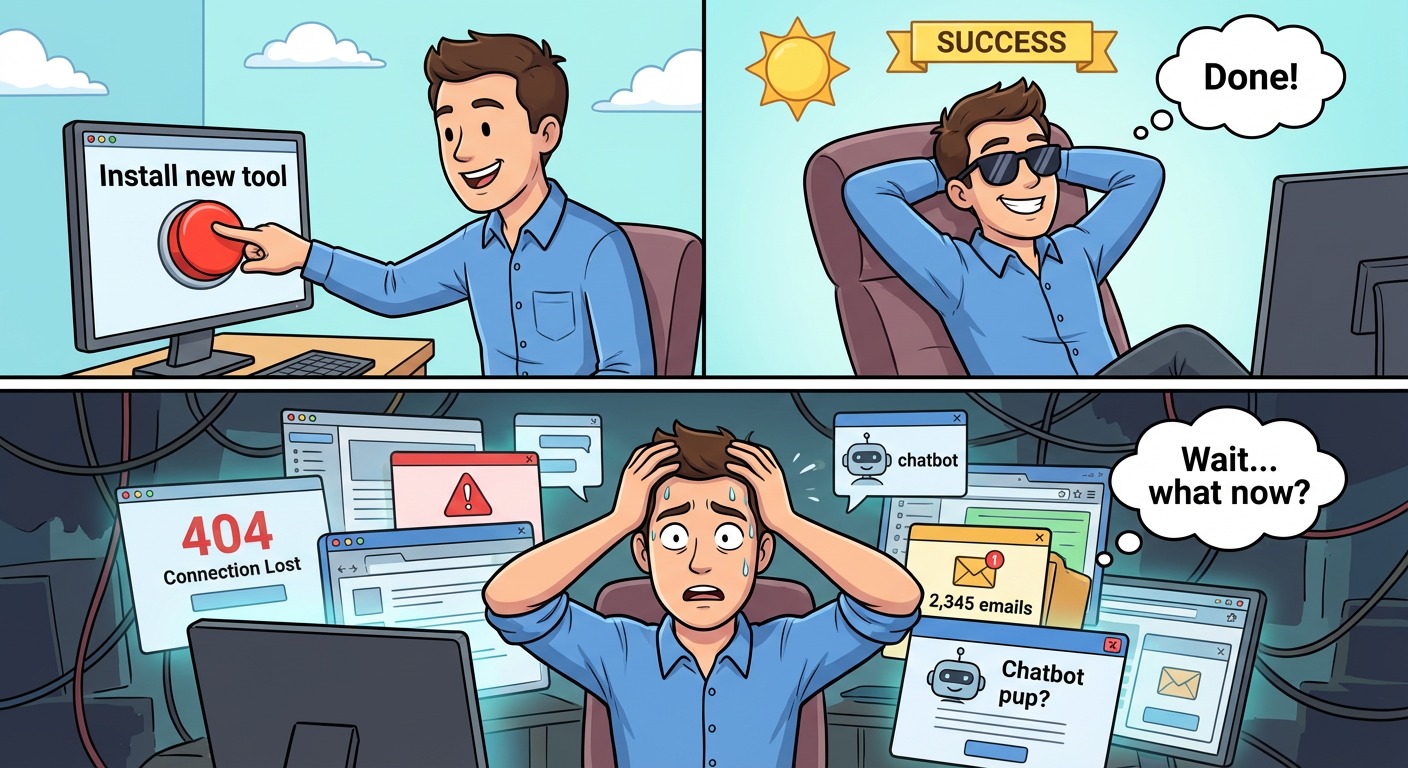
The hardest part is choosing and implementing tools while you are already busy with delivery and sales. It is easy to end up with a collection of overlapping subscriptions, half used features, and a pipeline that still feels random.
This is exactly where we come in.
At GigRadar we help freelancers, agencies, and B2B teams turn their tools into a real lead generation system. We look at your market, your offers, your current tools, and your closing process, then help you design a simple stack and playbook that work together instead of against each other.
So as you reach the end of this article and see the Book a demo block just below, ask yourself
Am I going to keep trying new tools and hoping something clicks, or am I ready to build one clear lead generation system that actually fits my business
If your answer is yes, or even "I am curious", use the button under this article to book a demo with the GigRadar team. In that session we will walk through your current setup, identify what to keep, what to cut, and what to add, and outline a practical plan to make your lead generation tools support a pipeline you can actually predict.
That call is the natural next step after this article and the starting point for turning your tool stack into a real revenue engine.
FAQs
What is lead generation
Lead generation is the process of identifying and attracting potential customers for your business, then collecting their details so you can start a sales conversation. In B2B sales, it usually means finding companies and decision makers who match your ideal customer profile and getting them to show interest through content, outreach, or campaigns.
How do you generate leads
You generate leads by combining clear targeting, compelling offers, and consistent activity across one or more channels. That can include outbound email, LinkedIn outreach, content marketing, paid ads, referrals, or marketplaces. Tools help you scale and track this work, but the core idea is always the same: show the right person a relevant reason to talk to you and make it easy for them to raise their hand.
What are lead generation tools
Lead generation tools are software products that support parts of the lead generation process. They can help you find prospects, enrich data, send and track outreach, capture leads on your website, score them based on fit and intent, and hand them off to sales. They do not replace a strategy, but they make it easier to run and measure that strategy.
How do paid B2B lead generation tools ensure data accuracy
Quality B2B lead generation tools use multiple data sources, regular refresh cycles, and verification steps to keep their data accurate. They may combine public data, partnerships, user contributed updates, and automated validation. Even so, no tool is perfect. The best practice is to treat data as a starting point and validate high value contacts or accounts before major outreach or deals.
How do automation tools improve lead generation tactics
Automation tools improve lead generation by handling repetitive tasks at scale. They can send follow up emails, trigger nurture sequences when someone downloads a guide, update lead scores based on behaviour, and notify sales when a lead takes a key action. This means you spend less time on manual admin and more time on strategy, conversations, and closing deals. The key is to use automation to support human judgment, not to replace it.