

From a $10 First Gig to 1–5 Monthly Invites: How Bryce Used GigRadar to Break the “New Profile” Ceiling on Upwork
Bryce, an Australia-based freelance copywriter with a newer Upwork profile, used GigRadar to scale from ~10–20 proposals/month to ~100–200, push LRR to ~12% (PVR ~20–30%), and increase invites from once every 2–3 months to 1–5 per month—building momentum and proof, even while ROI is still in progress due to his early-stage profile ramp.

Client Overview
Bryce Eleuteri is a freelance copywriter based in Australia. He’s early in his Upwork journey: started with small jobs to build social proof, and at the time of the call his profile showed roughly $400–$600 in earnings.
He’s also time-constrained: different time zone vs US clients and a casual job alongside freelancing — meaning traditional manual bidding was never going to scale.
Starting Point
Before GigRadar, Bryce’s Upwork activity was inconsistent and cautious:
- Upwork account existed ~6–12 months, but he “let it sit” and applied manually.
- Low proposal volume: roughly 10–20 proposals/month (sometimes less than one a day).
- He applied only when a post looked “winnable” (few proposals, no interviews yet), because writing a good cover letter took time.
He got his first job manually — a $10 email mockup project — mainly to get something “under his belt.”
The Challenge
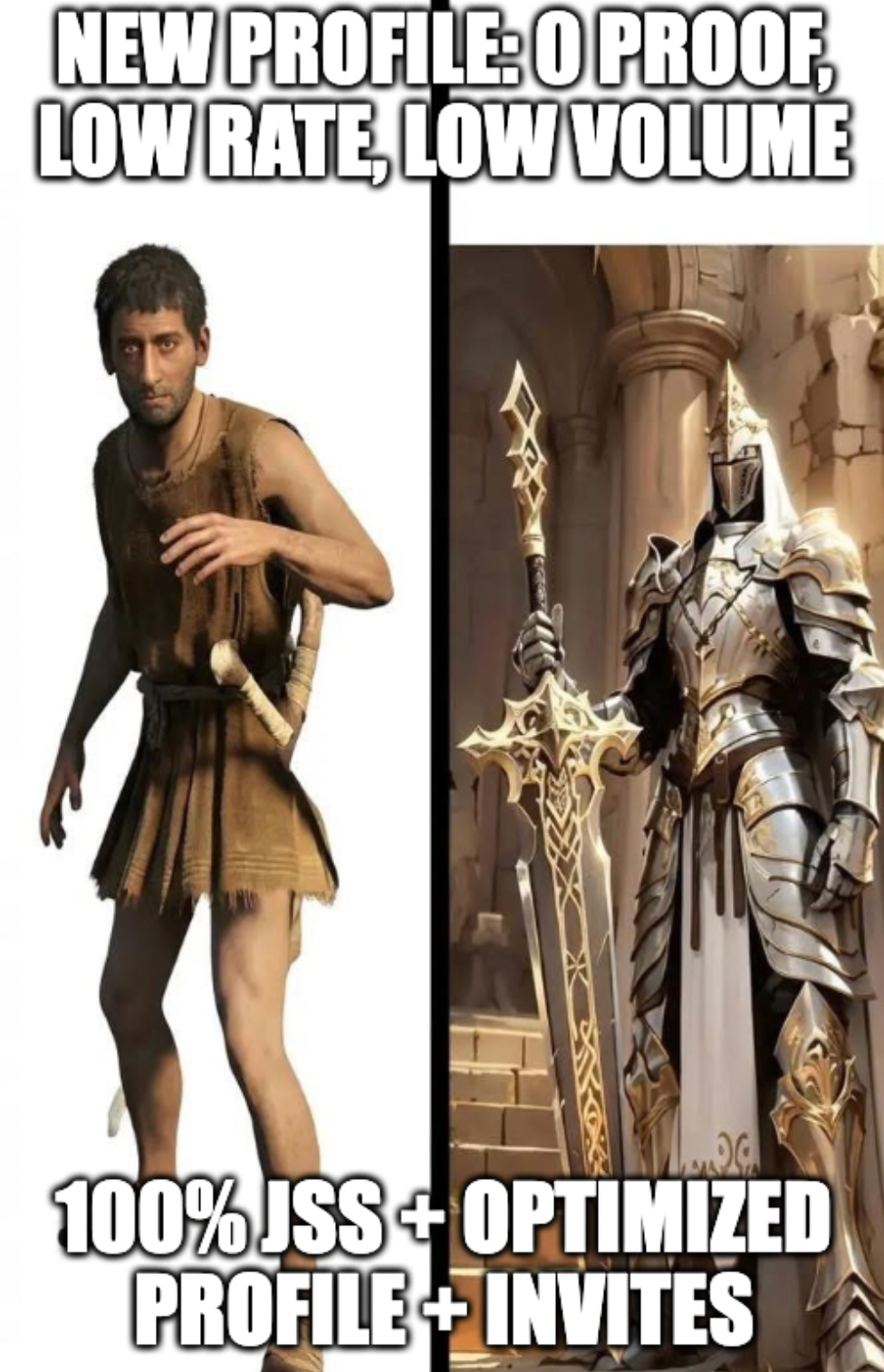
Bryce’s bottleneck wasn’t effort — it was the classic “new profile problem”:
- With limited proof, higher rates are hard to justify.
- Low volume means slow learning and slow momentum.
- Time zone lag makes fast response difficult when clients reply while he’s asleep.
On top of that, copywriting is highly competitive on Upwork, so early traction depends on volume + positioning + profile proof working together.
Why GigRadar
Bryce discovered GigRadar through an Instagram ad about Upwork automation. What made him try it wasn’t the “automation hype,” but the risk math:
“I said, I’ll just give it a go because… otherwise I knew what would happen if I didn’t take a risk.”
He also learned proposal structure and closing tactics from community partner content (Gavin’s calls), then adapted it into his own approach.
Implementation
Bryce didn’t treat GigRadar as “set and forget.” His implementation had three layers:
1) Increase volume dramatically
He went from ~10–20 proposals/month to roughly 100–200 proposals/month with GigRadar. This solved two early-stage problems at once:
- More repetitions = faster learning curve
- More shots on goal = momentum even with time-zone delays
2) Build social proof to unlock the next level
A key turning point was getting his Job Success Score to 100% by asking a past client to leave feedback. Once that proof appeared, his close rate improved and the “new profile ceiling” started to crack.
“The thing that really helped me was the 100 success score… that must have raised the chance of me getting jobs a lot.”
3) Optimize scanners and profile (not only outreach)
He followed the Academy materials and iterated scanners over time (“2.0 versions”), improving performance with each iteration instead of expecting instant results.
“You can’t just send out proposals… you’ve got to constantly refine and optimize the process.”
Results
1) Scanner performance reached strong baseline numbers
From Bryce’s dashboard (multi-month window since ~November), he reported approximately:
- PVR: ~20–30%
- Lead Reply Rate (LRR): ~12%
- ~22 replies over the observed period
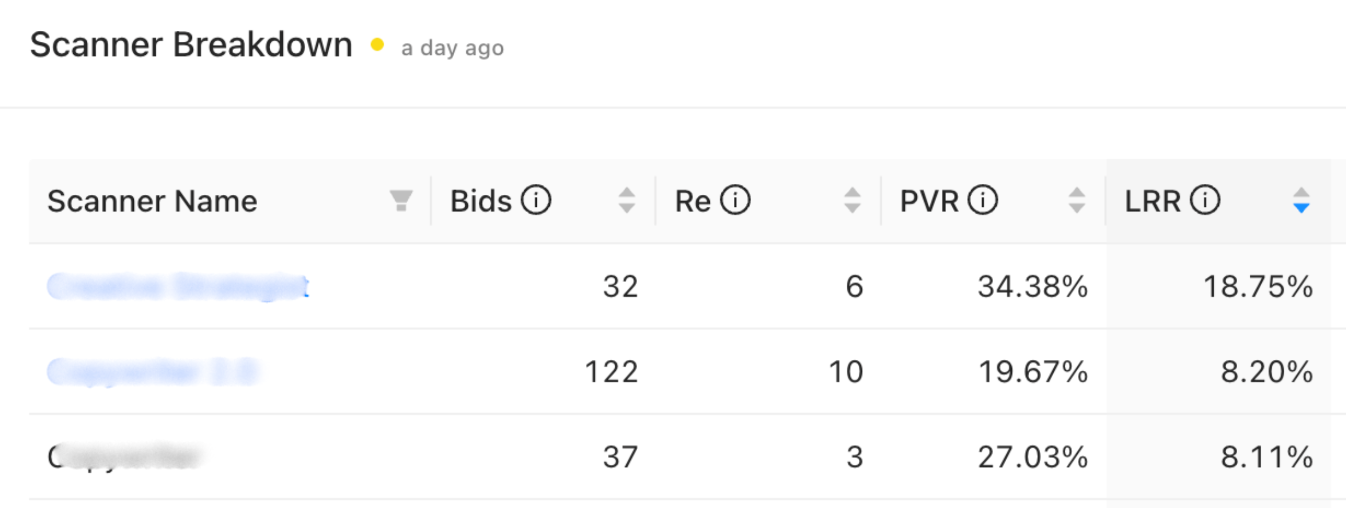
These are solid for a newer profile — and he attributed the lift to scanner iteration and stronger positioning.
2) Deals: early traction, still ramping
Bryce closed two active clients at the moment of the call (agency scripts + a ~10 hrs/week role), and previously had a burst where he “landed three jobs at once,” though one situation was messy (clients starting contracts while still “deciding”).
3) Inbound improved materially
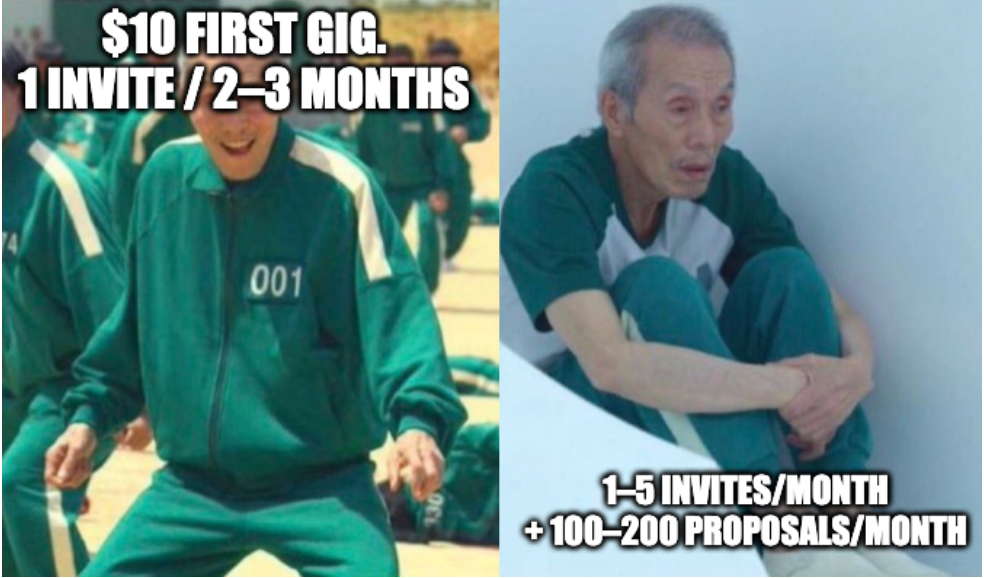
The most “Upwork compounding” signal: invites. He went from one invite every 2–3 months to ~1–5 invites per month, and his DMs became busy enough that he had to manage capacity expectations.
ROI
This case is intentionally honest.
- He only started landing meaningful wins recently (a couple weeks prior to the call).
- He spent heavily on Connects while testing and iterating.
- Some promising hires didn’t convert (one due to an unusually strict NDA with uncapped liabilities).
The nuance is important: the system is working!
Bryce’s story highlights a pattern you’ll see again and again:
- GigRadar accelerates results after you build enough proof to be credible.
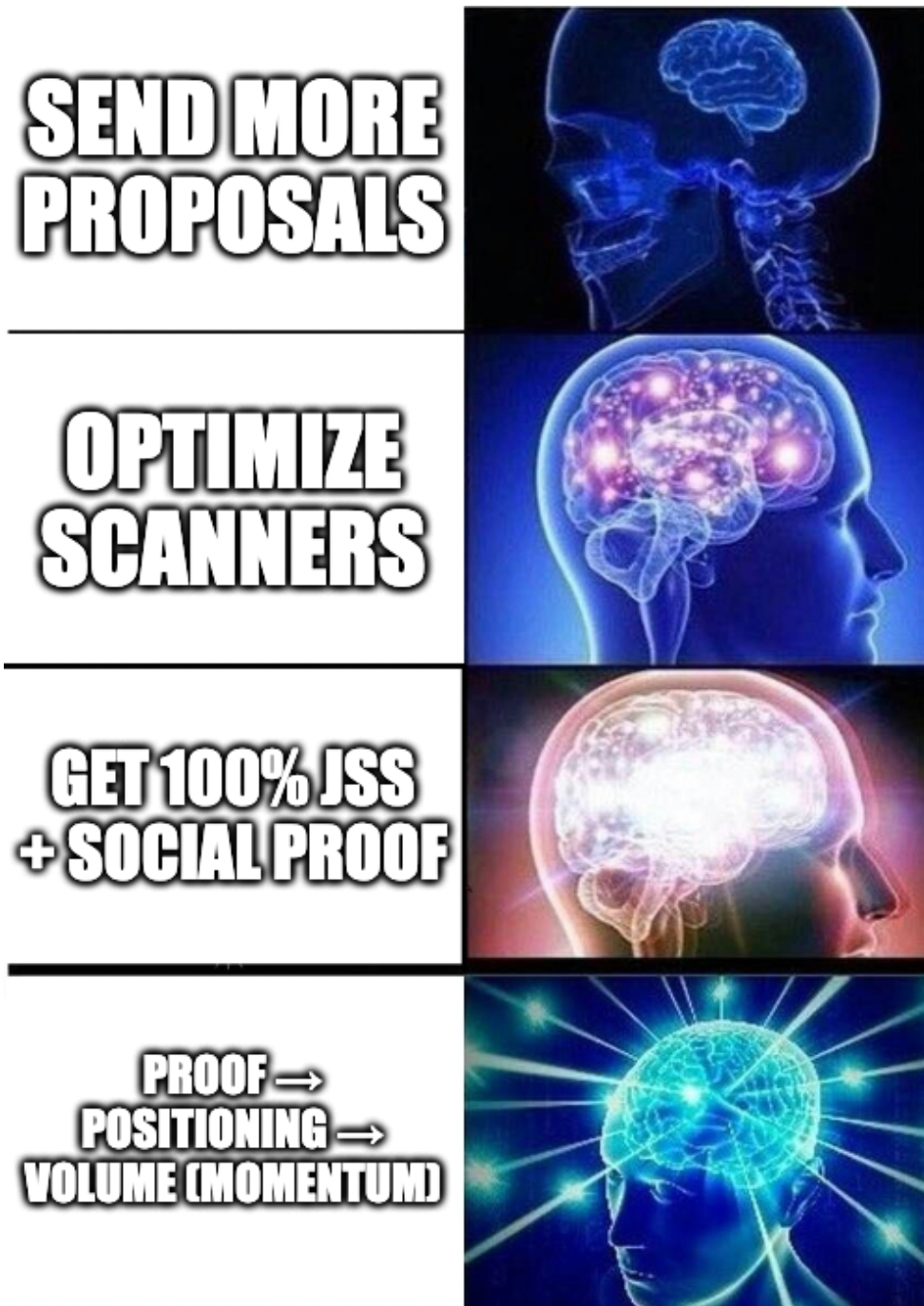
- For brand-new profiles, the fastest path isn’t “more proposals,” it’s “proof → positioning → volume.”
He’s already thinking like a future agency owner: build earnings and credibility first (e.g., $20k–$40k earned), then scale capacity with hires — at which point GigRadar’s volume advantage becomes even stronger.
Takeaway
Bryce is the clearest example of what GigRadar does for newer freelancers: It doesn’t magically replace credibility — it creates the conditions to earn credibility faster by giving you enough consistent volume to iterate, optimize, and stack proof.
“If your profile is more built out… you’ll get there quicker… but once the momentum is there, it kind of just takes off.”



